




PUMO servo electric cylinder vs hydraulic cylinder/pneumatic cylinder - comprehensive substitution value analysis
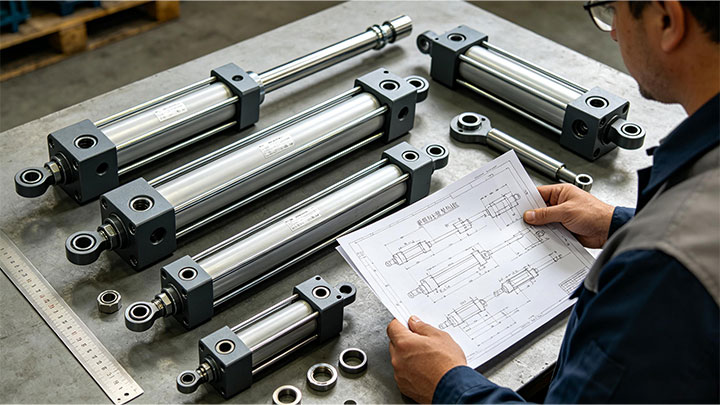
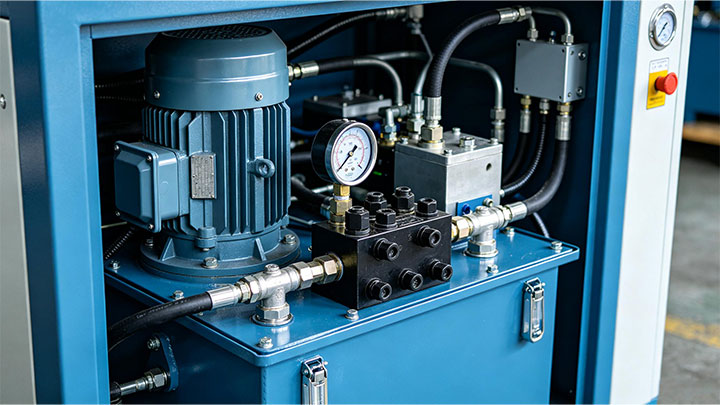
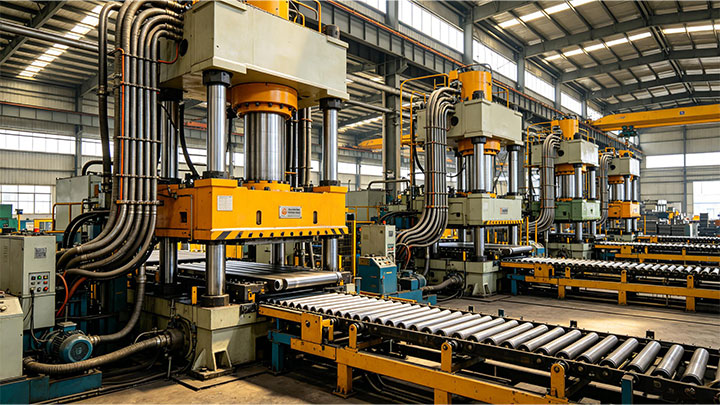
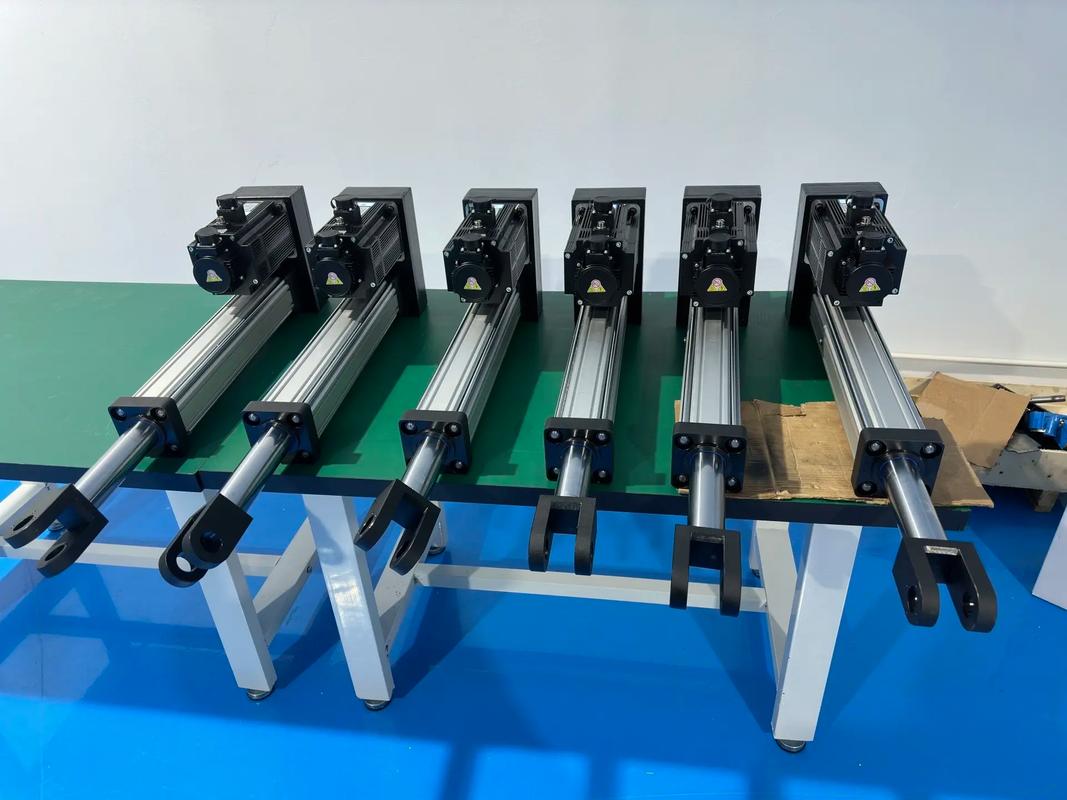
In the wave of factory automation upgrades, PUMO servo electric cylinders are gradually replacing a large number of hydraulic and pneumatic linear actuators. The following comparative analysis is conducted from six dimensions: precision control - cylinders are difficult to adjust by throttle valves and are affected by air pressure fluctuations, with repeat accuracy usually only ± 1-3mm and no position feedback; Although hydraulic cylinders can be proportionally controlled, there are dead zones and nonlinearity, while PUMO electric cylinders have a fully closed-loop ± 0.01mm and can be accurately positioned at any position; Output characteristics - cylinder output is limited by gas supply pressure and cylinder diameter, and it is difficult to maintain a constant force; Hydraulic cylinder thrust is high but there is force attenuation caused by internal leakage; The PUMO electric cylinder achieves precise constant force maintenance through servo torque control, and the thrust can be flexibly designed to cover the range of hydraulic small cylinders (≤ 100kN) through reduction ratio; Energy consumption and environment - the continuous operation of pneumatic system air compressors has high energy consumption and leakage losses; The hydraulic station requires pump sets, oil tanks, cooling, and regular oil changes, which poses a high risk of oil contamination; PUMO electric cylinder is powered on demand, free from oil stains and exhaust noise, and meets the requirements of a green factory; Maintenance cost - Pneumatic requires regular replacement of seals, pressure regulation and filtration; Hydraulic systems require filter cartridges, seals, and oil monitoring; Electric cylinders are basically maintenance free and only require regular lubrication; Data capability - it is difficult for cylinders/hydraulic cylinders to directly output digital pressure displacement curves; PUMO can archive and upload each press fit curve to MES to meet quality traceability requirements; Limitations Reminder - In extremely harsh, dusty, highly corrosive, or ultra low speed, extremely long stroke situations with super high thrust (>200kN), hydraulic still has its value, but the vast majority of PUMO servo electric cylinders in medium and high-precision automation workstations have been completely replaced and the overall TCO (total cost of ownership) is lower.
For enterprises planning to carry out hydraulic/pneumatic transformation of production lines, PUMO provides consulting services for original interface size comparison and replacement solutions, including installation hole mapping, equivalent thrust conversion, and electrical wiring drawings, to minimize transformation costs and downtime.