




Hydraulic Power Units: The Heart of Every Hydraulic System
A Hydraulic Power Unit (HPU) is often described as the heart of a hydraulic system. It generates and delivers the hydraulic energy required to operate cylinders, motors, valves, and other hydraulic components. Without a properly designed hydraulic power unit, even the most advanced hydraulic equipment cannot perform effectively.
The primary function of a hydraulic power unit is to convert mechanical energy into hydraulic energy. This process typically begins with an electric motor or internal combustion engine that drives a hydraulic pump. The pump draws hydraulic fluid from a reservoir and pressurizes it before sending it through the system to perform useful work.
One of the key advantages of hydraulic power units is their ability to provide consistent and controllable power. Unlike purely mechanical systems, hydraulic systems can easily regulate pressure, flow, and direction through various control valves. This flexibility enables precise control of machinery across a wide range of industrial applications.
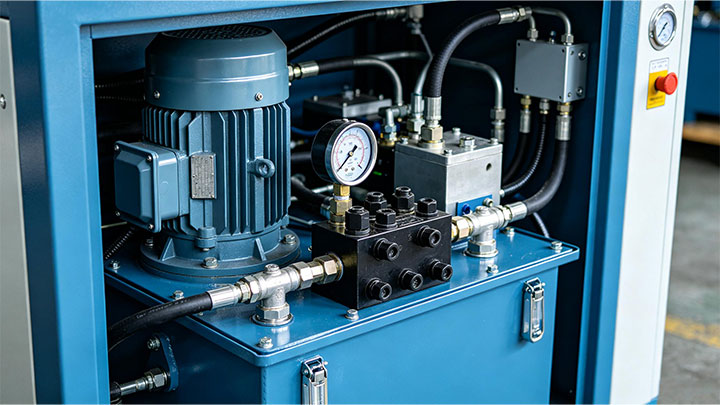
A typical hydraulic power unit consists of several major components. The hydraulic reservoir stores the fluid required for operation. The pump generates flow and pressure. Electric motors or engines provide mechanical power. Filters remove contaminants from the fluid, while valves regulate system performance. Cooling systems may also be included to maintain optimal operating temperatures.
Proper sizing of a hydraulic power unit is critical. Engineers must consider factors such as required pressure, flow rate, duty cycle, operating temperature, and application demands. An undersized power unit may struggle to meet performance requirements, while an oversized system can result in wasted energy and higher operating costs.
Energy efficiency has become an increasingly important aspect of hydraulic power unit design. Modern HPUs often incorporate variable-speed drives, load-sensing controls, and energy-saving pumps. These technologies adjust power output according to demand, reducing energy consumption and lowering operating expenses.
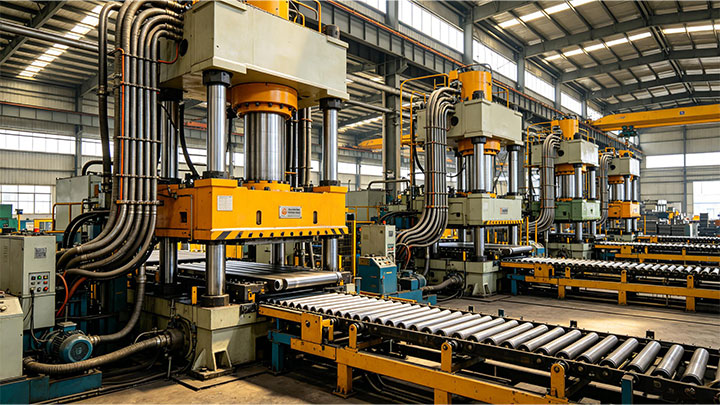
Hydraulic power units are used in a wide variety of industries. Manufacturing facilities rely on HPUs to operate presses, injection molding machines, and automation systems. Construction equipment uses hydraulic power for lifting, digging, and material handling. Marine industries employ hydraulic systems for steering, winches, and deck machinery. Mining operations depend on hydraulic power to handle heavy loads in challenging environments.
Reliability is a major advantage of hydraulic power units. When properly maintained, they can deliver years of dependable service. Routine maintenance typically includes checking fluid levels, replacing filters, inspecting hoses and fittings, monitoring operating temperatures, and testing system pressure. Preventive maintenance helps avoid costly breakdowns and extends equipment lifespan.
The rise of Industry 4.0 has also influenced hydraulic power unit technology. Smart sensors and digital monitoring systems can now track key operating parameters in real time. Operators receive valuable information about fluid condition, temperature, pressure fluctuations, and equipment performance. This data supports predictive maintenance strategies and improves overall system efficiency.
Environmental sustainability is becoming a priority for many industries. Manufacturers are developing hydraulic power units that use environmentally friendly hydraulic fluids and energy-efficient components. These advancements help reduce environmental impact while maintaining high levels of performance.
Customization is another important feature of modern hydraulic power units. Depending on application requirements, manufacturers can design compact, mobile, or large-scale systems with specialized controls and integrated automation features. This flexibility allows businesses to obtain solutions tailored to their unique operational needs.
In summary, hydraulic power units are the foundation of hydraulic systems. Their ability to generate reliable, controllable, and efficient hydraulic power makes them indispensable in countless industrial applications. As technology continues to advance, hydraulic power units will become even more efficient, intelligent, and environmentally responsible, supporting the future growth of global industries.