




The Advantages of Hydraulic Systems in Modern Industrial Applications
Hydraulic systems have become an essential part of modern industrial operations. From construction sites and manufacturing plants to mining operations and agricultural machinery, hydraulic equipment plays a critical role in improving productivity, efficiency, and reliability. The ability to generate tremendous force using fluid power makes hydraulic technology one of the most effective solutions for heavy-duty applications.
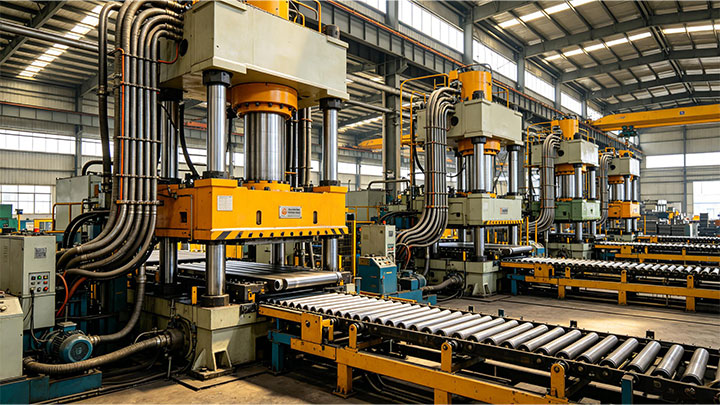
One of the primary advantages of hydraulic systems is their exceptional power density. Compared to mechanical and electrical systems of similar size, hydraulic equipment can produce significantly greater force. This allows machines such as excavators, loaders, presses, and cranes to handle demanding tasks while maintaining compact designs. The high force output is particularly valuable in industries where lifting, pushing, or compressing heavy materials is required.
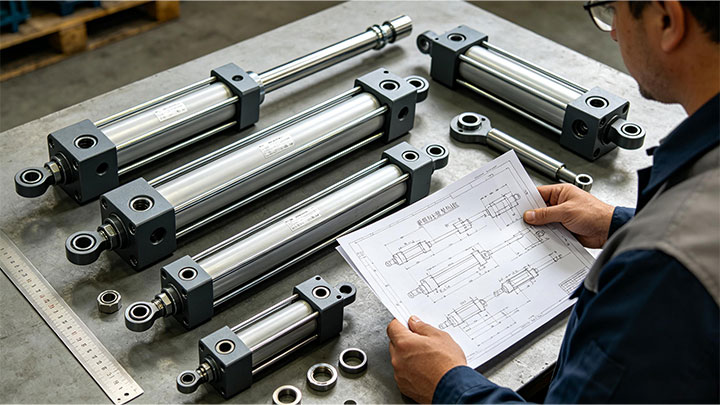
Another major benefit of hydraulic systems is precise control. Hydraulic cylinders and motors can be accurately regulated through valves and control systems, allowing operators to perform delicate movements even when handling extremely heavy loads. This level of precision improves safety and enhances productivity in manufacturing and material-handling environments.
Durability is another reason why hydraulic equipment is widely used across industries. Hydraulic components are designed to withstand harsh operating conditions, including extreme temperatures, dust, moisture, and heavy loads. Properly maintained hydraulic systems can operate reliably for many years, reducing equipment downtime and maintenance costs. This long service life makes hydraulic technology a cost-effective investment for businesses seeking dependable performance.
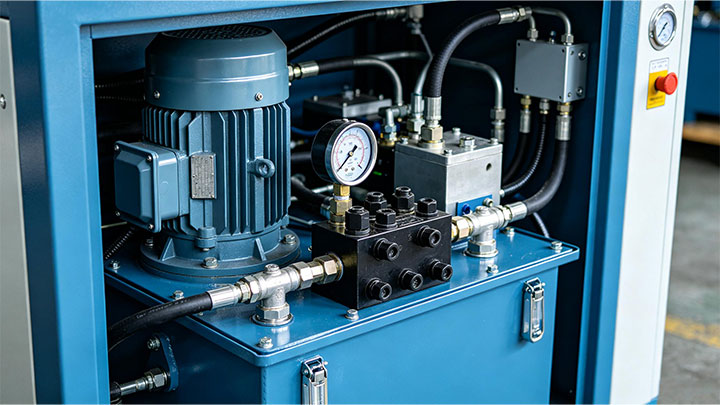
Hydraulic systems also offer excellent flexibility. A single hydraulic power unit can drive multiple actuators and perform various functions simultaneously. This versatility enables engineers to design machines that can execute complex tasks efficiently. For example, a construction excavator uses hydraulic power to control the boom, arm, bucket, and travel motors at the same time, allowing seamless operation in demanding work environments.
Energy efficiency has become increasingly important in modern industrial applications. Advances in hydraulic technology have led to the development of variable displacement pumps, load-sensing systems, and intelligent control solutions. These innovations help reduce energy consumption by delivering hydraulic power only when needed. As a result, companies can lower operating costs while minimizing their environmental impact.
Safety is another critical advantage of hydraulic systems. Hydraulic equipment can incorporate pressure relief valves, load-holding valves, and emergency shut-off mechanisms to protect both operators and machinery. These safety features help prevent accidents caused by excessive pressure or unexpected load movements. In industries where worker safety is a top priority, hydraulic systems provide a reliable and secure operating solution.
Maintenance requirements for hydraulic equipment are relatively straightforward when proper procedures are followed. Regular inspection of hydraulic fluid, filters, hoses, and seals can significantly extend the lifespan of the system. Modern monitoring technologies also allow operators to detect potential issues before they become serious problems, reducing unplanned downtime and repair expenses.
Hydraulic technology continues to evolve as manufacturers integrate digital controls, sensors, and automation systems into their equipment. Smart hydraulic solutions can monitor pressure, temperature, flow rate, and component health in real time. This data enables predictive maintenance strategies and helps businesses optimize machine performance.
In conclusion, hydraulic systems remain one of the most powerful and versatile technologies available for industrial applications. Their ability to deliver high force, precise control, durability, flexibility, and safety makes them indispensable across numerous industries. As technology advances, hydraulic equipment will continue to play a vital role in supporting efficient and sustainable industrial operations worldwide.
Tags: