




PUMO Servo Electric Cylinder - Application in Automotive Manufacturing and Testing Platform
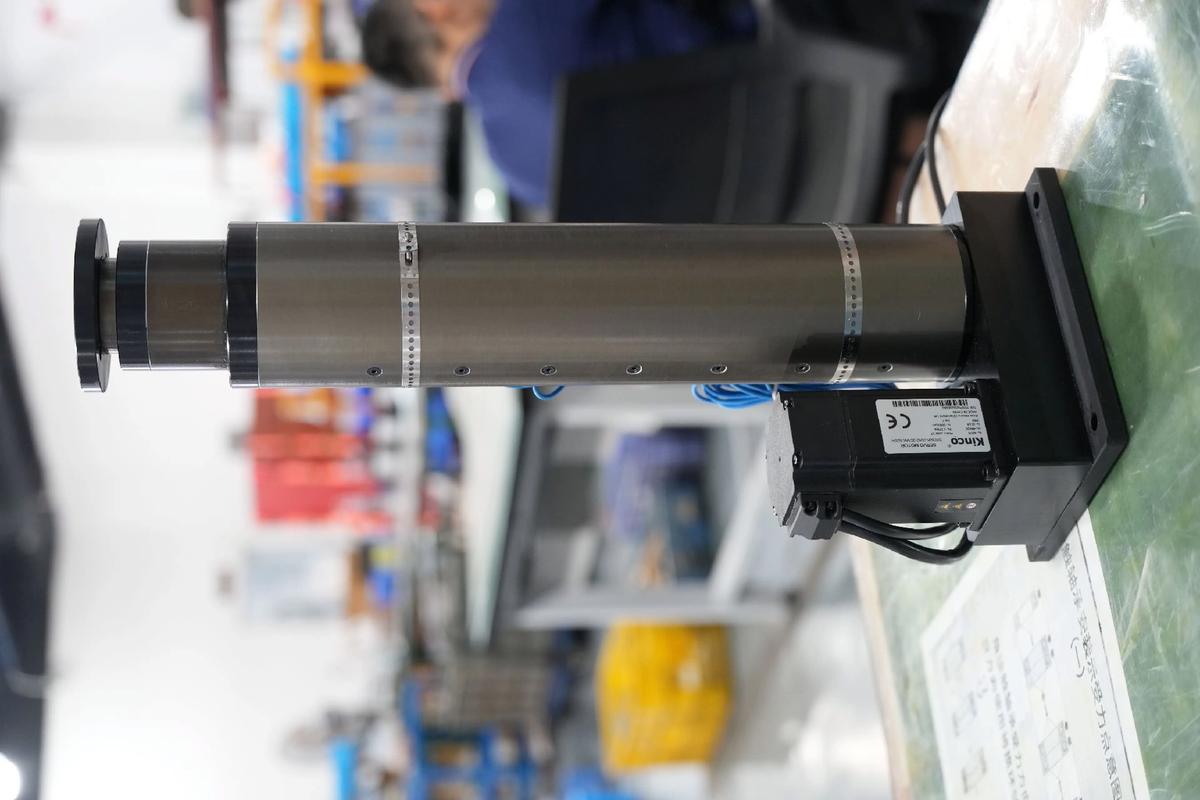
In the field of automotive and automotive parts manufacturing, PUMO servo electric cylinders are widely used in engine bearing press fitting, transmission gear shaft interference assembly, door hinge riveting, brake disc wear testing bench, seat adjustment durability testing machine, and white body welding positioning fixture drive. Taking typical bearing pressing as an example: PUMO electric cylinder sets the target pressing depth and upper limit of pressing force. During the pressing process, the servo system is driven in position mode to the contact point and switches to force control mode. The pressure displacement (P-S) curve is drawn in real time and compared with the standard curve. When the interference fit is abnormal or stuck, it automatically alarms and eliminates it, effectively preventing overpressure damage and batch defects.
In the fatigue/durability test bench, multiple PUMO electric cylinders perform high-frequency reciprocating loading according to the set waveform (sine/triangle/custom), and the closed-loop force sensor ensures accurate loading force values. It can simulate tens of thousands to millions of working cycles, completely eliminating oil leakage pollution and simplifying test bench maintenance after replacing traditional hydraulic actuators. On the body welding assembly line, PUMO electric cylinders are used for the extension/retraction and compression of the clamping positioning plate, with high repeatability and programmable clamping force. Different program parameters can be called for mixed production of different vehicle models without the need to replace hardware limits. In addition, it has also been maturely applied in the glass coating Z-axis lifting and tire tightening machine lifting mechanisms in the final assembly workshop. PUMO can provide multi cylinder synchronous control solutions (four point synchronous lifting of vehicle body or chassis), support EtherCAT bus high-speed communication, and help vehicle and component factories improve assembly quality consistency and test data reliability.